The Complete Guide for Smart Riders
The transportation landscape in India is changing rapidly. Rising fuel prices, increasing environmental awareness, improved battery technology, and government support for electric vehicles have made electric scooters one of the most popular mobility choices in recent years.
But as we move through 2026, many buyers still ask an important question:
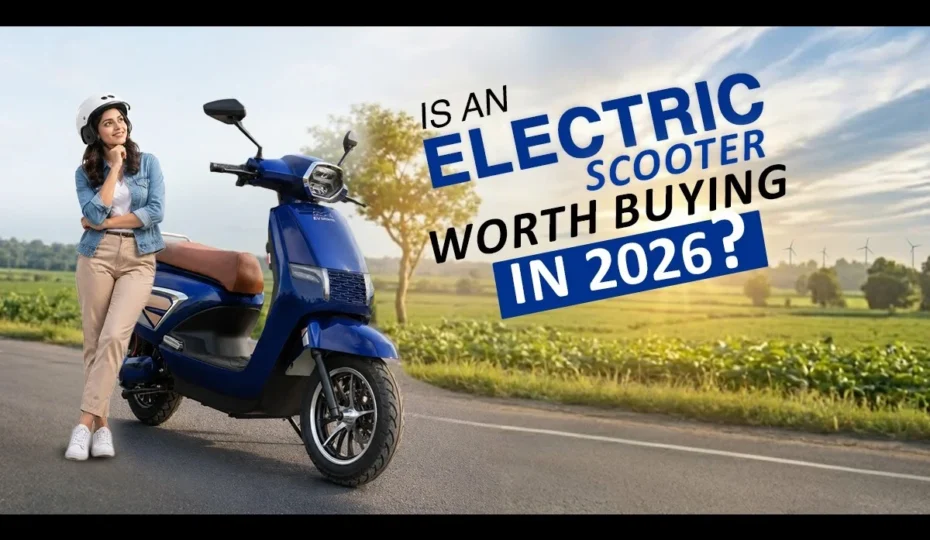
“Is an Electric Scooter really worth buying in 2026?”
The short answer is yes—for most urban commuters, an electric scooter can be a smart, economical, and future-ready investment. However, the decision depends on your daily travel needs, budget, charging availability, and long-term expectations.
Let’s explore the advantages, challenges, and key factors to help you decide whether an electric scooter is the right choice for you.
Why Electric Scooters Are Gaining Popularity
Electric scooters have evolved significantly over the last few years. Earlier concerns regarding limited range, slow speeds, and charging infrastructure are gradually being addressed through technological advancements.
Today’s electric scooters offer:
- Longer battery range
- Faster charging capabilities
- Smart connectivity features
- Lower running costs
- Reduced maintenance requirements
- Environment-friendly transportation
As cities become more crowded and fuel costs continue to fluctuate, electric scooters provide a practical alternative for daily commuting.
Significant Savings on Fuel Costs
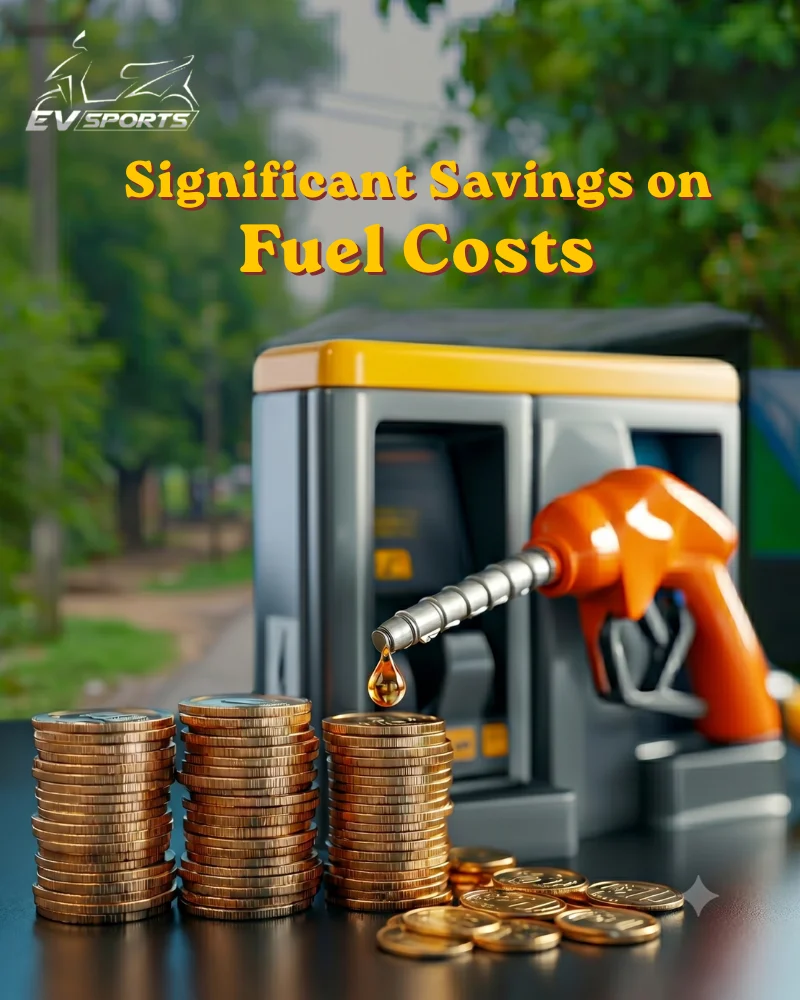
One of the biggest reasons people switch to electric scooters is the potential savings on fuel expenses.
Consider a rider who travels around 40 kilometers daily.
With a petrol scooter, monthly fuel expenses can become substantial due to rising petrol prices. In comparison, charging an electric scooter typically costs only a fraction of that amount.
Over several years of ownership, the savings can be significant and may offset a large portion of the initial purchase price.
Benefits:
✔ Lower daily travel expenses
✔ Reduced dependence on fuel price fluctuations
✔ Better long-term cost efficiency
Lower Maintenance Costs
Traditional petrol scooters contain numerous moving parts, including:
- Engine components
- Clutch systems
- Fuel systems
- Oil filters
- Spark plugs
These parts require periodic maintenance and replacement.
Electric scooters, on the other hand, have a much simpler mechanical structure.
Typical Maintenance Includes:
- Tire replacement
- Brake servicing
- Battery care
- General inspections
Because there are fewer mechanical components, maintenance costs are generally lower throughout the vehicle’s life.
Environment-Friendly Transportation
Climate change and urban pollution have become major concerns worldwide.
Electric scooters produce zero tailpipe emissions, helping reduce:
- Air pollution
- Noise pollution
- Carbon emissions
For environmentally conscious consumers, switching to an electric scooter is a small but meaningful step toward sustainable transportation.
Improved Battery Technology in 2026
Battery technology has improved dramatically.
Modern electric scooters commonly use lithium-ion batteries that offer:
- Longer lifespan
- Faster charging
- Better efficiency
- Improved safety
- Higher energy density
Many premium models now provide ranges exceeding 100 kilometers on a single charge, making them practical for daily commuting and short-distance travel.
This improvement has significantly reduced “range anxiety” among users.
Smart Features Enhance the Riding Experience
Modern electric scooters are no longer just transportation devices.
Many models now include advanced features such as:
- Digital dashboards
- Mobile app connectivity
- GPS tracking
- Anti-theft systems
- Remote lock and unlock
- Cruise control
- Reverse mode
- Regenerative braking
These features create a more convenient and technology-driven riding experience.
Ideal for Urban Commuting
Electric scooters perform exceptionally well in city environments.
They are particularly suitable for:
- Office commuters
- Students
- Delivery professionals
- Small business owners
- Daily local travel
With traffic congestion becoming a common challenge in Indian cities, electric scooters provide a practical solution for short and medium-distance travel.
Challenges to Consider Before Buying
While electric scooters offer numerous benefits, buyers should also consider certain limitations.
Charging Infrastructure
Although charging networks are expanding, charging stations may not be available everywhere.
Home charging remains the most convenient option.
Before purchasing, ensure you have:
- Access to a charging point
- Reliable electricity supply
- Safe parking space
Higher Initial Purchase Price
Electric scooters often cost more upfront than equivalent petrol models.
However, lower running and maintenance costs usually compensate for the higher initial investment over time.
Battery Replacement Cost
The battery is one of the most expensive components of an electric scooter.
While modern lithium batteries can last several years, eventual replacement costs should be considered as part of long-term ownership planning.
Who Should Buy an Electric Scooter in 2026?
An electric scooter may be an excellent choice if:
✔ You travel 20–80 kilometers daily
✔ You want to reduce fuel expenses
✔ You have access to home charging
✔ You prefer low-maintenance vehicles
✔ You support eco-friendly transportation
✔ You mainly ride within urban or suburban areas
Who May Prefer a Petrol Scooter?
A petrol scooter might still be more suitable if:
✔ You frequently travel very long distances
✔ Charging facilities are unavailable
✔ You often ride in remote regions
✔ You require instant refueling convenience
For such users, traditional fuel-powered vehicles may continue to offer certain advantages.
The Future of Electric Mobility
The future of transportation is increasingly electric.
Government initiatives, growing charging infrastructure, advancements in battery technology, and increasing consumer acceptance are driving the adoption of electric vehicles across India.
Industry experts expect electric scooters to become even more affordable, efficient, and accessible in the coming years.
Investing in an electric scooter today positions riders at the forefront of this mobility transformation.
Final Verdict: Is an Electric Scooter Worth Buying in 2026?
For most city riders, students, professionals, and daily commuters, an electric scooter is absolutely worth buying in 2026.
It offers:
- Lower running costs
- Reduced maintenance expenses
- Modern technology features
- Environment-friendly transportation
- Comfortable daily commuting
While factors such as charging access and battery replacement costs should be evaluated, the overall benefits often outweigh the limitations.
As technology continues to improve and electric mobility becomes mainstream, owning an electric scooter is no longer just an alternative—it is becoming the preferred choice for smart, cost-conscious, and environmentally responsible riders.
If your daily travel fits within the strengths of electric mobility, 2026 could be the perfect time to make the switch.