
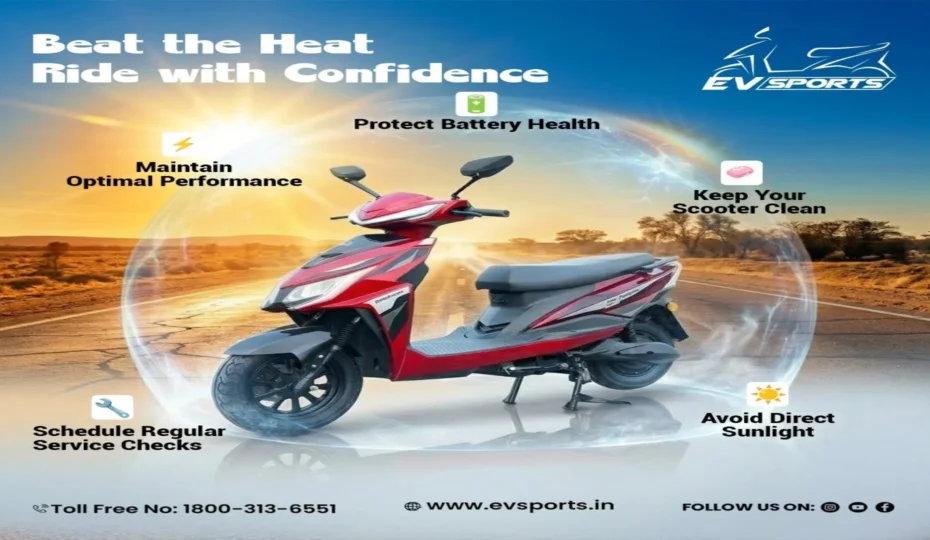
A Simple Pre-Ride Routine That Can Save You Time, Money, and Trouble
Electric scooters have transformed daily commuting by offering a convenient, eco-friendly, and cost-effective mode of transportation. Whether you’re riding to work, college, the market, or simply enjoying a short trip around town, your safety should always come first.
While electric scooters are generally easy to maintain, many riders overlook basic safety inspections before starting their journey. A quick 2–3 minute safety check can help prevent unexpected breakdowns, improve riding performance, and reduce the risk of accidents.
In this guide, we’ll walk through the essential electric scooter safety checks every rider should perform before every ride.
Why Pre-Ride Safety Checks Matter
Just like any vehicle, an electric scooter experiences wear and tear over time. Daily use, changing weather conditions, rough roads, and frequent charging can affect various components.
Regular safety checks help you:
- Prevent unexpected mechanical failures
- Improve battery efficiency
- Enhance riding comfort
- Increase vehicle lifespan
- Reduce maintenance costs
- Ensure safer journeys for yourself and others
Think of it as a small habit that delivers big benefits.
1. Check the Battery Charge Level
One of the most important things to verify before riding is the battery status.
Running out of battery midway can be inconvenient and may leave you stranded, especially if you’re traveling a longer distance.
What to Check:
- Battery percentage on the display
- Estimated riding range
- Any battery warning indicators
- Proper battery connection (if removable)
Safety Tip:
Avoid starting a long trip with a critically low battery. Maintaining a healthy charge level also helps improve battery longevity.
2. Inspect the Tires
Tires play a critical role in stability, braking, and overall rider safety.
Underinflated or damaged tires can reduce control and increase stopping distance.
Look For:
- Proper tire pressure
- Cuts, cracks, or punctures
- Uneven tread wear
- Objects stuck in the tire
Why It Matters:
Well-maintained tires provide better grip, especially during rainy conditions or on uneven roads.
3. Test the Brakes
Your braking system is your first line of defense in an emergency.
Before every ride, squeeze both brake levers and ensure they respond smoothly.
Check For:
- Firm brake pressure
- No unusual noises
- Proper stopping power
- Brake cables in good condition
Safety Tip:
If your brakes feel loose or unresponsive, avoid riding until the issue is fixed.
4. Verify All Lights Are Working
Visibility is essential, whether you’re riding during the day, at dusk, or at night.
Working lights help you see the road and ensure other road users can see you.
Inspect:
- Headlight
- Tail light
- Brake light
- Turn indicators (if equipped)
Why It Matters:
Many road accidents occur due to poor visibility. Functional lights significantly improve road safety.
5. Check the Horn
A horn is a simple but vital safety feature.
It allows you to alert pedestrians, cyclists, and other vehicles when necessary.
Quick Test:
Press the horn briefly before riding to confirm it’s functioning properly.
Safety Tip:
Use the horn responsibly to communicate your presence rather than as a replacement for careful riding.
6. Inspect the Handlebars and Controls
The handlebars should feel stable and responsive.
Loose controls can make steering difficult and increase accident risk.
Check:
- Handlebar tightness
- Throttle operation
- Brake lever movement
- Display screen visibility
- Switch functionality
What You’re Looking For:
Smooth control operation without unusual resistance or looseness.
7. Look for Loose Nuts and Bolts
Daily vibrations from riding can gradually loosen fasteners.
A quick visual inspection can help identify potential problems before they become serious.
Focus Areas:
- Wheel mounts
- Handlebar assembly
- Footboard area
- Suspension components
Safety Tip:
If you notice excessive looseness, tighten components according to the manufacturer’s recommendations.
8. Inspect the Suspension System
If your scooter has front or rear suspension, ensure it is functioning properly.
Check For:
- Oil leakage
- Unusual noises
- Excessive bouncing
- Visible damage
Why It Matters:
A healthy suspension system improves comfort, handling, and control on rough roads.
9. Ensure Mirrors Are Properly Adjusted
Mirrors help you stay aware of surrounding traffic without constantly turning your head.
Verify:
- Mirrors are clean
- Properly aligned
- Free from cracks or damage
Good visibility can help prevent collisions and make lane changes safer.
10. Check for Warning Messages on the Display
Modern electric scooters often feature digital dashboards that provide diagnostic alerts.
Watch For:
- Battery warnings
- Motor fault alerts
- Controller errors
- Temperature notifications
Never ignore warning indicators, as they often signal issues that require attention.
11. Wear Proper Safety Gear
Even if your scooter is perfectly maintained, rider protection remains essential.
Recommended Gear:
- Certified helmet
- Closed-toe footwear
- Reflective clothing for night rides
- Gloves (optional but beneficial)
Remember, the safest scooter is only as safe as the person riding it.
12. Perform a Quick Test Ride
Before entering busy traffic, take a short test ride in a safe area.
Confirm:
- Smooth acceleration
- Effective braking
- Stable steering
- No unusual sounds
This final step helps identify issues that may not be visible during a stationary inspection
Common Safety Mistakes Riders Make
Many electric scooter users unintentionally increase their risk by:
- Ignoring low tire pressure
- Riding with low battery levels
- Delaying brake maintenance
- Skipping helmet use
- Overloading the scooter
- Riding in poor visibility without lights
Avoiding these mistakes can significantly improve both safety and scooter performance.
Final Thoughts
Electric scooters are designed to make daily travel easier, cleaner, and more economical. However, safe riding begins before you even start the motor.
By spending just a few minutes performing these essential pre-ride safety checks, you can reduce the risk of accidents, improve your scooter’s performance, and enjoy greater peace of mind on every journey.
A simple routine today can prevent costly repairs and dangerous situations tomorrow.
Before every ride, remember one rule: Check first, ride second.